Blog
The Understated Power of Light in Refined Interiors
06 March 2026
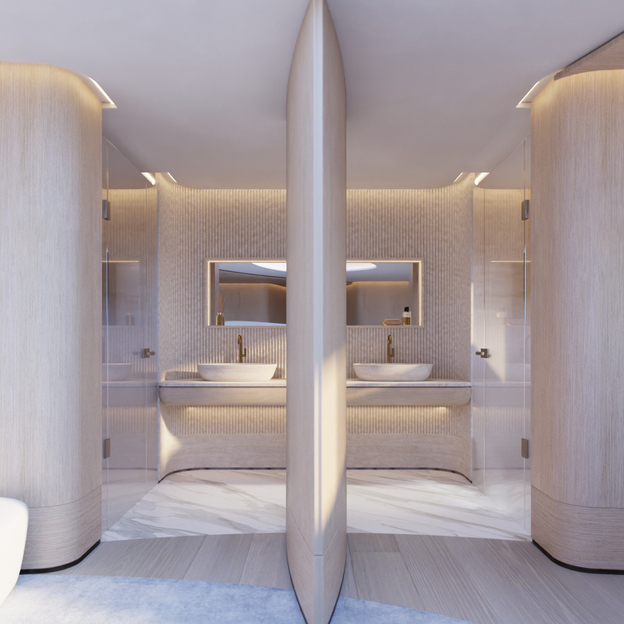
Lighting has evolved from a practical necessity into something far more nuanced—an atmospheric layer that shapes how a space is experienced, rather than simply how it is seen.
In both private residences and yacht interiors, light is no longer an afterthought. It has moved to the forefront of the design process, informed by advances in technology and a deeper understanding of how illumination influences mood, perception, and movement. Where it was once applied toward the end of a project, it is now considered from the very beginning—integrated and intentional.
At its best, lighting is almost unnoticeable. It does not call attention to itself but instead enhances everything around it. It introduces warmth, draws the eye to moments of interest, and subtly guides the way a space unfolds. A well-lit interior feels intuitive; it invites movement, encourages pause, and creates a sense of ease without ever revealing the mechanism behind it.
This is where lighting becomes more than functional—it becomes architectural. When thoughtfully considered, it can be woven into the fabric of a design, complementing materials, accentuating form, and even becoming a defining feature in its own right.
In refined spaces, restraint is key. The most effective lighting schemes are those that feel balanced and composed—never overpowering and always deliberate. We often see this approach in high-end hospitality and retail environments, where light is used to gently ‘zone’ areas, creating rhythm and hierarchy while shaping the emotional tone of the space.
Over the past decade, lighting has experienced something of a quiet renaissance. A growing number of specialists now focus exclusively on this discipline, reflecting a broader recognition of its impact. With increasingly sophisticated tools and technologies available, the role of lighting has expanded—demanding both technical expertise and a sensitive design approach.
Looking ahead, this evolution continues. Emerging innovations, particularly those aligned with circadian lighting, are beginning to influence how we design for wellbeing. By responding to the body’s natural rhythms, these systems have the potential to enhance mood, support concentration, and improve overall comfort—bringing a new layer of intelligence to interior environments.
Ultimately, lighting is at its most powerful when it is felt rather than seen. It is the quiet presence that defines atmosphere and the final layer that brings a space fully to life.